
TIK Construction

FROZEN PIPE DAMAGE · VANCOUVER WA + PORTLAND OR · 24/7

Frozen Pipe Damage Restoration in Vancouver WA — Cold-Snap Response

Pacific Northwest cold snaps produce predictable burst-pipe events. TIK's seasonal staffing scales for cold-weather response — extra crews on call during sustained sub-freezing weather. We extract, dry, demolish what's saturated, and rebuild — under one roof. 60-minute response, day or night.

  • IICRC Certified
  • Licensed WA + OR
  • All Major Insurance
  • 24/7
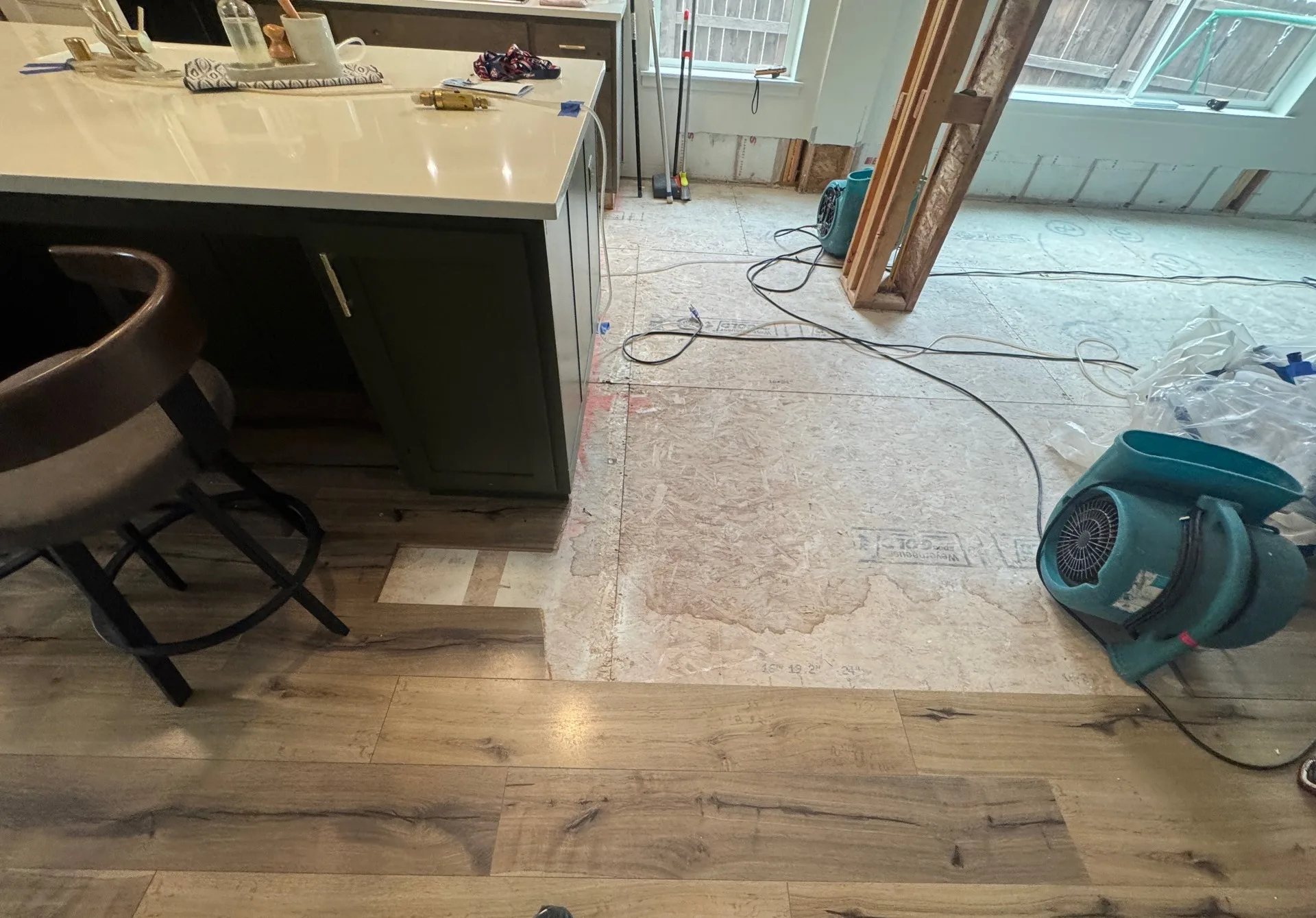
Frozen Pipe Damage Restoration work by TIK Construction

Frozen pipe damage — why our climate produces it

Vancouver and Portland metro typically get 1–3 cold snaps per winter where temperatures drop below 25°F for several days. During these events, water inside unheated wall cavities, garages, attics, and exterior crawl-space lines can freeze. Frozen water expands ~9%, generating pressure that ruptures the pipe at its weakest point — usually a fitting, soldered joint, or thin-walled section.

The rupture often isn't discovered immediately because frozen water in the pipe blocks flow. Damage starts when temperatures rise and the ice plug melts: water flows through the rupture site at full pressure, often releasing significant water before homeowners notice or shut off the main.

TIK's call volume during sustained cold snaps is several times normal. We staff seasonally for these events with additional crews on call, more equipment positioned across the service area, and extended dispatch hours. The pattern is predictable enough that we plan for it every winter.


Where frozen pipes burst in Pacific Northwest homes

  • Garage walls and exterior runs

    Pipes in unheated garage walls and exterior runs to outdoor faucets are most vulnerable. Insulation alone is insufficient if the air temperature stays sub-freezing for extended periods.

  • Crawl space supply lines

    Crawl spaces with ground-level vents can drop below freezing during cold snaps. Older homes with marginal vapor barriers and no heat tape on supply lines burst regularly.

  • Attic supply lines (rare but dramatic)

    Some homes have supply lines routed through attics — vulnerable during cold weather, especially in homes with inadequate attic insulation. Bursts here produce ceiling damage across multiple rooms.

  • Exterior faucets and hose bibs

    Outdoor faucets that aren't winterized are common burst points. The pipe just inside the wall, behind the faucet, can freeze and rupture even when the faucet itself appears fine.

  • Tankless water heater connections

    Tankless heaters in unheated mechanical rooms are common in newer homes. Their supply, return, and condensate lines are vulnerable to freezing during cold weather.

  • Mobile home and double-wide plumbing

    Mobile homes have under-floor plumbing exposed to outside air. Freeze-burst in mobile homes is common even in mild winters.

Don't wait. Damage compounds with every hour.

60-minute response, day or night.

Our frozen pipe response process

Frozen pipe response combines burst-pipe restoration with cold-weather logistics — getting equipment to the site during difficult conditions and managing high call volume during cold snaps.

  1. Hour 0–1

    Cold-snap dispatch protocol

    During active cold snaps we run extended dispatch with priority routing. We arrive within 60 minutes and confirm water is shut off (the burst is often discovered after the thaw begins).

  2. Hour 1–4

    Damage mapping during thaw

    If the home was unoccupied during the freeze (vacation home, second residence), damage discovery is often hours or days after rupture. Moisture mapping reveals the actual extent. Water extraction begins immediately.

  3. Hour 4–24

    Burst pipe location and repair coordination

    We locate the burst — sometimes in an obvious wall, sometimes hidden in attic insulation or crawl space. We coordinate with plumbers for the actual pipe repair while drying begins.

  4. Days 1–7

    Structural drying

    Standard IICRC S500 drying protocols. Cold-snap jobs sometimes have larger-area damage because of the multi-day discovery delay common in unoccupied homes.

  5. Weeks 1–4

    Reconstruction with prevention notes

    Drywall, flooring, paint, trim matched to existing. We document what made the original pipe vulnerable (inadequate insulation, exposed run, lack of heat tape) so the homeowner can address prevention during reconstruction.

Prevention

How to prevent it next time

  • Insulate vulnerable pipes

    Foam insulation on pipes in garages, crawl spaces, attic runs, and exterior walls. Heat tape for high-risk runs. Cost is small relative to a single burst-pipe restoration.

  • Drip faucets during cold snaps

    When forecasts call for sustained sub-freezing weather, let a faucet drip on the coldest exterior wall. Moving water doesn't freeze as readily as still water.

  • Open cabinet doors under sinks

    On exterior walls, opening cabinet doors lets warm interior air reach the supply lines, raising local temperature.

  • Maintain interior heat during travel

    Don't drop interior temperature below 55°F during winter travel. The energy savings from a cold house aren't worth the burst-pipe risk.

  • Disconnect outdoor hoses

    A connected garden hose can hold water back into the wall faucet, which freezes and bursts the pipe inside the wall. Disconnect hoses every fall.

Real reviews

What customers say about TIK's water damage work

4.9★ average from 50+ verified Google reviews

  • "After having a pipe burst in our rental home, TIK Construction and Restoration has done a phenomenal job mitigating the damage and communicating with us every step of the way. Elmer, their mitigation manager, has been especially thorough and precise to prevent any lasting damage to the home, and has been very thoughtful of protecting our belongings during this process. Isaac, another very nice gentleman and their director of operations, gave us a clear picture of what the whole process would look like and thoughtfully informed us of our options with our renter's insurance."

    Joel Jacobs

    Verified Google Review

  • "We called TIK when we woke up (on a weekend!) to a major leak in our living room from the upstairs tub. Elmer mobilized right away and got to us within a couple hours to begin the water mitigation. He is now helping us communicate with our insurance representative and take the next steps in the water restoration. We appreciate all the help we've gotten from TIK during this difficult event!"

    Grace D.

    Verified Google Review

  • "TIK Construction and Restoration did an amazing job restoring our home after a flood caused by a burst pipe upstairs. From start to finish, their team was professional, communicative, and easy to work with. They kept us informed throughout the entire process, answered all of our questions, and made what could have been a very stressful situation much smoother. The quality of their work really stood out—everything was done with attention to detail and care."

    Alex Volkov

    Verified Google Review

Insurance handled

We work directly with all major homeowner carriers. We document the damage, submit the claim within 24 hours, and bill direct so you pay only your deductible.

See carrier-specific claim details →

  • State Farm logo
  • Allstate logo
  • USAA logo
  • Liberty Mutual logo
  • Farmers logo
  • Travelers logo
  • American Family logo
  • Nationwide logo
  • Chubb logo
  • Progressive logo

Frozen pipe damage FAQs

Why do pipes burst in Vancouver homes?

Vancouver typically has 1–3 cold snaps per winter with sustained sub-freezing temperatures. Pipes in unheated areas — garages, crawl spaces, exterior walls, attics — are vulnerable. Water in the pipe freezes, expands, and ruptures the pipe at its weakest point.

Will my insurance cover frozen pipe damage?

Yes, in most cases. Frozen pipe damage is typically a covered peril on standard homeowner's policies — provided you maintained reasonable interior heat during the freeze (usually 55°F minimum). Vacation-home owners who let homes go cold should check their specific policy language.

How soon should I call after discovering a burst pipe?

Immediately. Water flow at residential pressure releases hundreds of gallons per hour. The faster mitigation begins, the smaller the damage scope. We respond 24/7 and prioritize cold-snap calls.

Why was my pipe okay last year and burst this year?

Insulation degrades over time. Marginal-temperature situations that were fine last winter can fail this winter when one variable changes — slightly colder weather, a draft that didn't exist before, an HVAC anomaly that lowered local temperature. Many burst-pipe events are first-time bursts in homes that survived previous winters.

Should I have my plumbing inspected before winter?

If your home is more than 25 years old or has known marginal insulation, yes. A pre-winter inspection identifying vulnerable runs lets you add insulation or heat tape before the first cold snap. Costs much less than restoration after a burst.

Cold snap burst your pipe? Don't wait for the thaw.

60-minute response during cold snaps. Cleanup, drying, full reconstruction.

Available 24/7 · Day or night · Every day of the year

Get help with frozen pipe damage restoration

Send your info and we'll call within 30 minutes.

For emergencies, call us directly: (360) 938-4601

Call Now: (360) 938-4601