
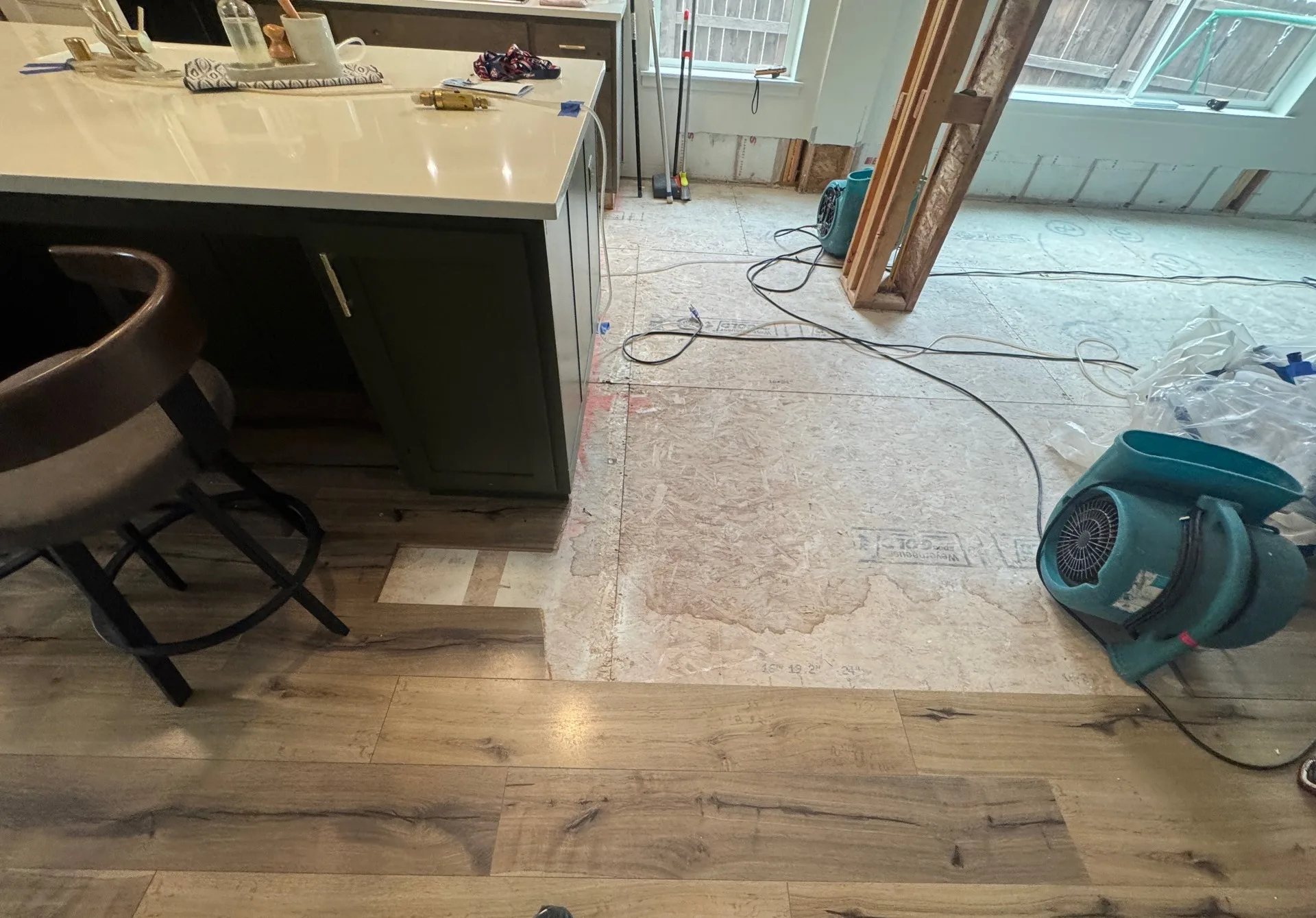
Basement flooding — what's actually happening
Basement flooding looks similar regardless of source, but the source determines the cleanup. Clean water from a burst pipe is treated under IICRC S500 Category 1 protocols. Sewer backup is Category 3 and requires biohazard handling. Groundwater intrusion is Category 2 (or upgraded to Category 3 if exposure exceeds 48 hours). Identifying the source on arrival is the first critical decision — wrong category produces unsafe cleanup.
Vancouver and Portland metro basements flood for several recurring reasons. Sump pump failures during sustained winter rain are the dominant call type — pumps clog, motors burn out, or power loss disables them at the worst moment. Combined sewer/stormwater backups in older Portland neighborhoods produce sewage flooding during heavy rain events. Burst pipes upstairs or in basement walls are weather-driven. Groundwater seepage through foundation walls happens in homes with marginal exterior drainage.
Finished basements compound the damage scope. Drywall, carpet padding, baseboards, and finished flooring are all porous materials that hold water and accelerate mold growth. Mechanical rooms with HVAC equipment, water heaters, and electrical panels add safety considerations to the cleanup.