
TIK Construction

CEILING LEAK RESTORATION · VANCOUVER WA + PORTLAND OR

Ceiling Leak Restoration in Vancouver WA — Hidden Moisture, Found and Fixed

Ceiling leaks reveal water damage that's already happened — by the time you see a stain, water has been soaking the cavity for hours or days. TIK traces the source, dries the framing and insulation hidden inside the cavity, and rebuilds the ceiling, drywall, and finish. One company, one timeline.

  • IICRC Certified
  • Licensed WA + OR
  • All Major Insurance
  • 24/7
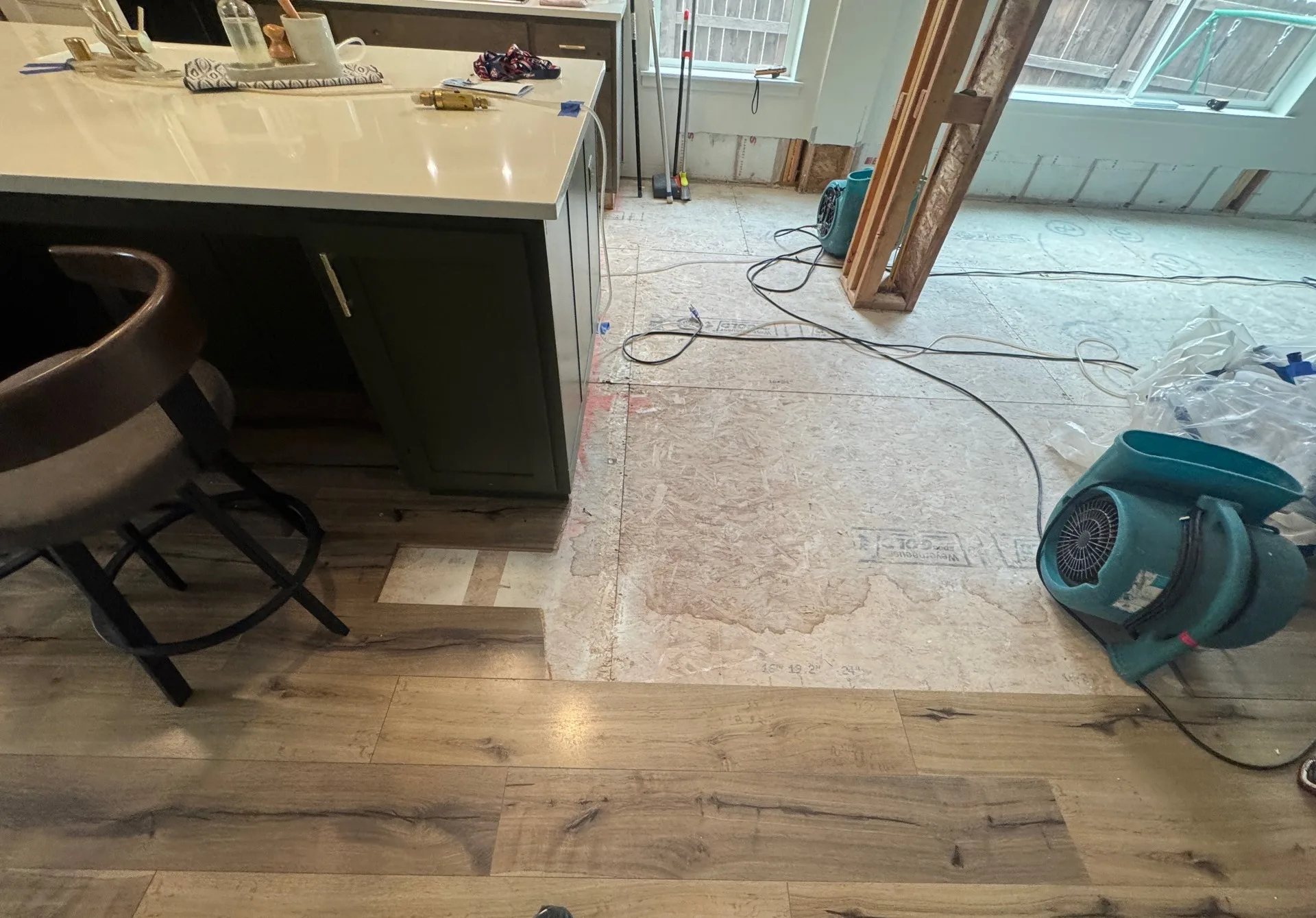
Ceiling Leak Restoration work by TIK Construction

Ceiling leaks — why they're worse than they look

When water shows on a ceiling, the actual damage is upstream and hidden. The visible stain is the lowest point of an upper-floor leak that's been soaking joists, subflooring, and insulation in the cavity above. By the time the stain appears, drywall above is often saturated, framing has absorbed water, and insulation is wet enough that mold is starting.

Most Vancouver and Portland ceiling leaks come from upstairs bathrooms — toilets, showers, supply lines, drain lines. Some come from second-floor laundry rooms (stacked washers above ceilings), or from roof leaks during rain events. Each source has a different diagnostic and cleanup approach.

The danger of DIY 'just paint over the stain' approach is real. Painted-over ceiling stains often hide saturated drywall and framing, which produce mold within weeks and structural decay over months. Professional ceiling leak restoration opens the cavity, dries the structure, and rebuilds — eliminating the hidden problem rather than masking the visible symptom.


Common ceiling leak sources

  • Upstairs toilet supply or wax ring failure

    Toilets leak at the supply line, the tank-to-bowl connection, or the wax ring between the bowl and the floor. Slow leaks often show as a ceiling stain weeks before they're noticed upstairs.

  • Shower pan or shower drain failure

    Shower pans crack at corners or seams; shower drains fail at the rubber seal beneath. Both produce slow leaks that travel through the floor and appear on the ceiling below.

  • Bathroom supply line or P-trap leak

    Sink supply lines, faucet bodies, and P-trap connections develop slow leaks under the cabinet that travel through the floor before becoming visible.

  • Roof leak during heavy rain

    Damaged shingles, flashing failures around chimneys and vents, or ice dam-driven water intrusion can produce ceiling leaks during rain events. Often shows as a stain that gets worse with each storm.

  • Second-floor washer or dishwasher leak

    Stacked washers and second-floor dishwashers can leak supply lines or fail completely, producing significant ceiling damage below. Less common than bathroom leaks but more dramatic when it happens.

  • HVAC condensate line clog

    AC condensate lines that clog produce overflow that can travel through ceilings. Usually seasonal (warm-weather AC operation) and easily missed.

Don't wait. Damage compounds with every hour.

60-minute response, day or night.

Our ceiling leak response process

Ceiling leaks need source diagnosis, cavity inspection, hidden moisture remediation, and finish rebuild. Each step matters — skipping any produces hidden mold or recurring leaks.

  1. Hour 0–1

    Source identification

    We arrive within 60 minutes. The lead tech traces the source — inspecting upstairs fixtures, attic spaces, or roof access as needed. Source identification is the first critical step; cleanup before source identification is wasted work.

  2. Hour 1–4

    Cavity opening and assessment

    We open the affected ceiling section to inspect the cavity. Thermal imaging and moisture meters reveal the extent of hidden moisture. Documentation of what's found goes to insurance.

  3. Hour 4–24

    Wet material removal

    Saturated drywall is removed. Wet insulation (which can't be effectively dried) is removed. Framing that's saturated gets targeted air movement. We don't try to dry materials that should be removed.

  4. Days 1–5

    Cavity drying

    Air movers and dehumidifiers run inside the opened cavity until framing meets IICRC S500 standards. Daily moisture readings confirm drying progress. We don't close the cavity until it's verified dry.

  5. Days 4–10

    Cavity rebuild and finish

    New insulation, new drywall, taping, mudding, primer, paint matched to existing. Trim restored. The repaired ceiling matches the original — no patch lines visible.

Real reviews

What customers say about TIK's water damage work

4.9★ average from 50+ verified Google reviews

  • "After having a pipe burst in our rental home, TIK Construction and Restoration has done a phenomenal job mitigating the damage and communicating with us every step of the way. Elmer, their mitigation manager, has been especially thorough and precise to prevent any lasting damage to the home, and has been very thoughtful of protecting our belongings during this process. Isaac, another very nice gentleman and their director of operations, gave us a clear picture of what the whole process would look like and thoughtfully informed us of our options with our renter's insurance."

    Joel Jacobs

    Verified Google Review

  • "We called TIK when we woke up (on a weekend!) to a major leak in our living room from the upstairs tub. Elmer mobilized right away and got to us within a couple hours to begin the water mitigation. He is now helping us communicate with our insurance representative and take the next steps in the water restoration. We appreciate all the help we've gotten from TIK during this difficult event!"

    Grace D.

    Verified Google Review

  • "TIK Construction and Restoration did an amazing job restoring our home after a flood caused by a burst pipe upstairs. From start to finish, their team was professional, communicative, and easy to work with. They kept us informed throughout the entire process, answered all of our questions, and made what could have been a very stressful situation much smoother. The quality of their work really stood out—everything was done with attention to detail and care."

    Alex Volkov

    Verified Google Review

Insurance handled

We work directly with all major homeowner carriers. We document the damage, submit the claim within 24 hours, and bill direct so you pay only your deductible.

See carrier-specific claim details →

  • State Farm logo
  • Allstate logo
  • USAA logo
  • Liberty Mutual logo
  • Farmers logo
  • Travelers logo
  • American Family logo
  • Nationwide logo
  • Chubb logo
  • Progressive logo

Ceiling leak FAQs

Why can't I just paint over the ceiling stain?

Because the stain is the visible symptom of moisture that's already saturated drywall, framing, and insulation in the cavity above. Painting over it traps the moisture, which produces mold within weeks. The right response is opening the cavity, drying it, and rebuilding.

Will insurance cover ceiling leak damage?

Sudden ceiling leak damage from burst pipes, appliance failures, or storm water intrusion is typically covered. Long-term gradual leaks (slow toilet drip over months) may not be — gradual damage often falls into the 'maintenance' exclusion. We document the timeline and submit the claim.

How long does ceiling leak restoration take?

Most ceiling leak jobs take 1–3 weeks total — 1–2 days source ID and cavity opening, 3–5 days drying, 1–2 weeks reconstruction. Larger leaks affecting multiple rooms or upper-floor flooring can take longer.

Will I need a plumber too?

If the leak is from plumbing, yes — but we coordinate the plumber as part of the job. You won't manage two contractors. For roof leaks, we coordinate with roofers similarly.

Will the rebuilt ceiling match the original?

Yes. Drywall texture matched, paint matched, trim matched. We feather the new work into adjacent surfaces so patch lines aren't visible. For unusual textures (knockdown, popcorn) we replicate as closely as material allows.

Ceiling stain growing? The damage is upstairs.

60-minute response. Source traced, cavity dried, ceiling rebuilt.

Available 24/7 · Day or night · Every day of the year

Get help with ceiling leak restoration

Send your info and we'll call within 30 minutes.

For emergencies, call us directly: (360) 938-4601

Call Now: (360) 938-4601