Water Damage Restoration in Hazel Dell, WA: what we see locally
Hazel Dell is an unincorporated Clark County community north and west of Vancouver, with a 2020 census population of roughly 23,500 — up sharply from about 19,400 in 2010. The name comes from a stand of filbert (hazelnut) trees that once grew near NE 78th Street and Highway 99, and today that same Highway 99 corridor is still the spine of the area's older commercial strip, with residential neighborhoods spreading east and west from it.
Housing stock is mixed by era. Homes closest to the Highway 99 corridor are mostly post-war ranch and split-level construction from the 1950s–70s, with original supply lines and electrical that haven't always been upgraded. Farther from the corridor, newer infill, townhomes, and finished-basement subdivisions were built from the 1990s onward as Vancouver's urban growth boundary pushed north — the same newer construction referenced in Vancouver's citywide water-damage profile.
Burnt Bridge Creek, whose watershed is mostly residential land, runs roughly 13 miles from its headwaters near NE 162nd Avenue through north Vancouver to Vancouver Lake, and parts of that drainage corridor reach into the Hazel Dell area. The creek runs high during sustained Pacific Northwest winter rain, and lower-lying lots near it see seasonal groundwater and crawl space moisture that's a grading and drainage issue rather than a plumbing one — a different call than the sump-pump failures common in the area's newer finished basements.
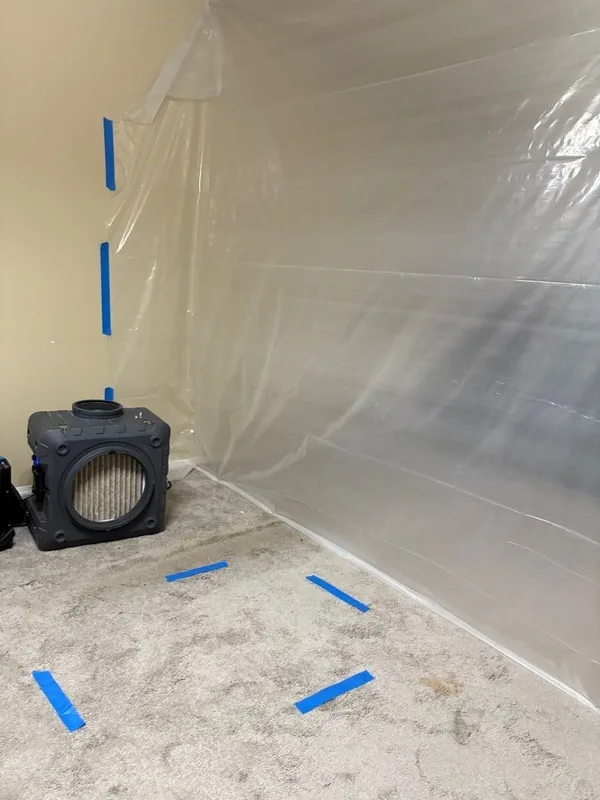
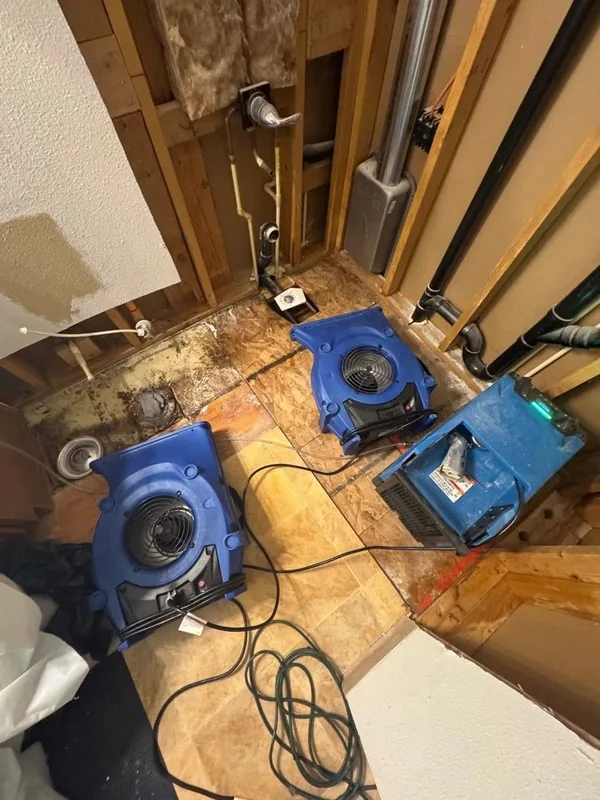
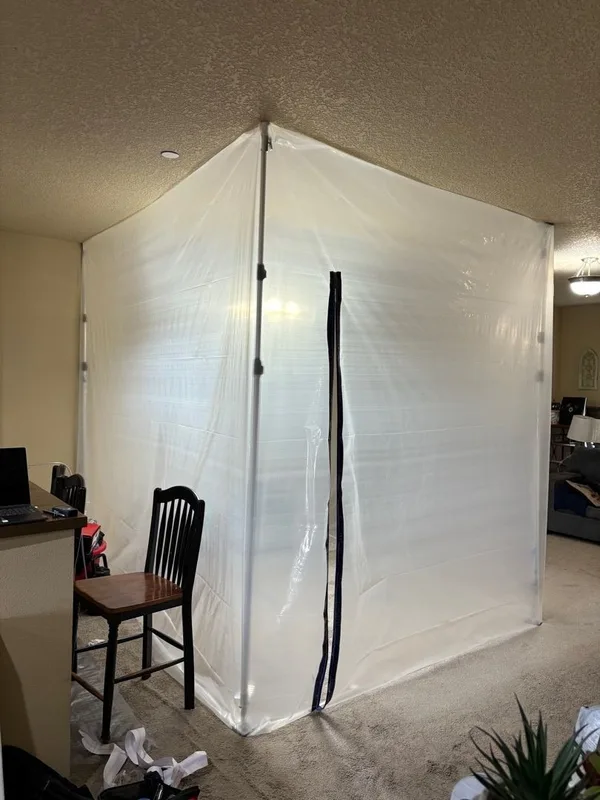
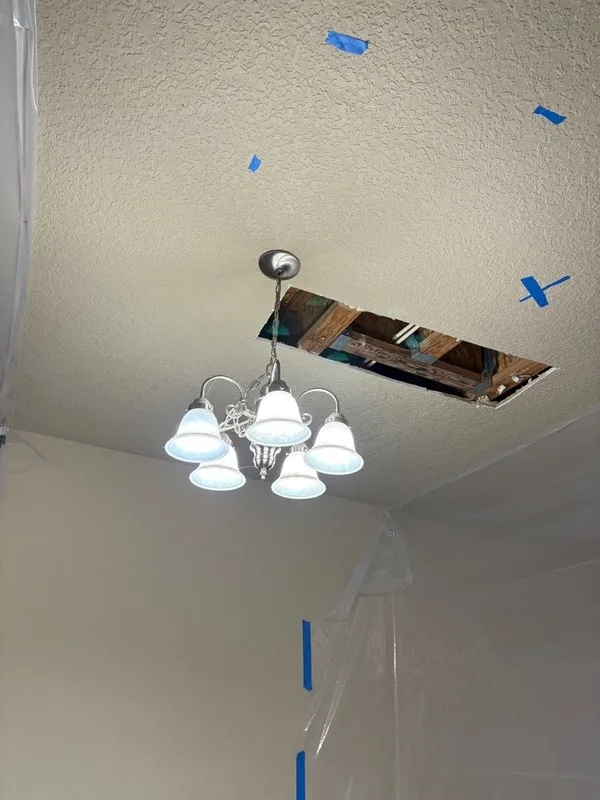
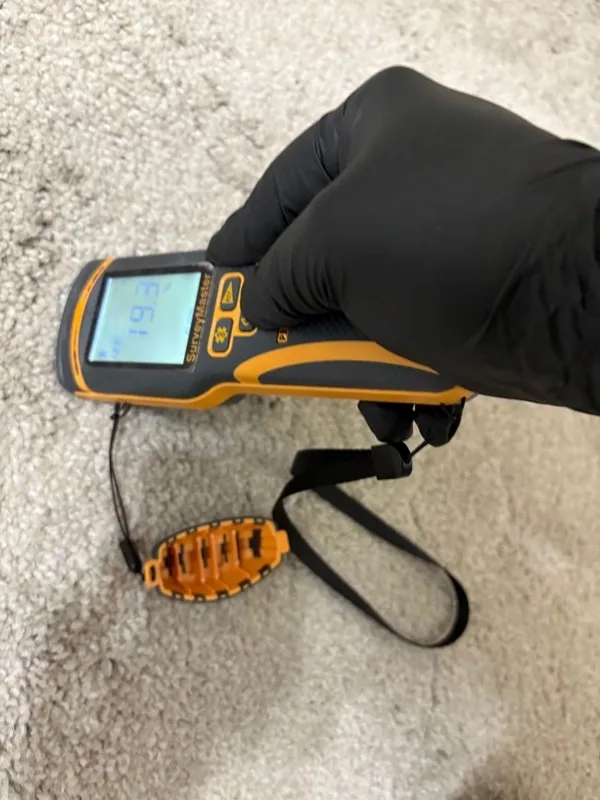
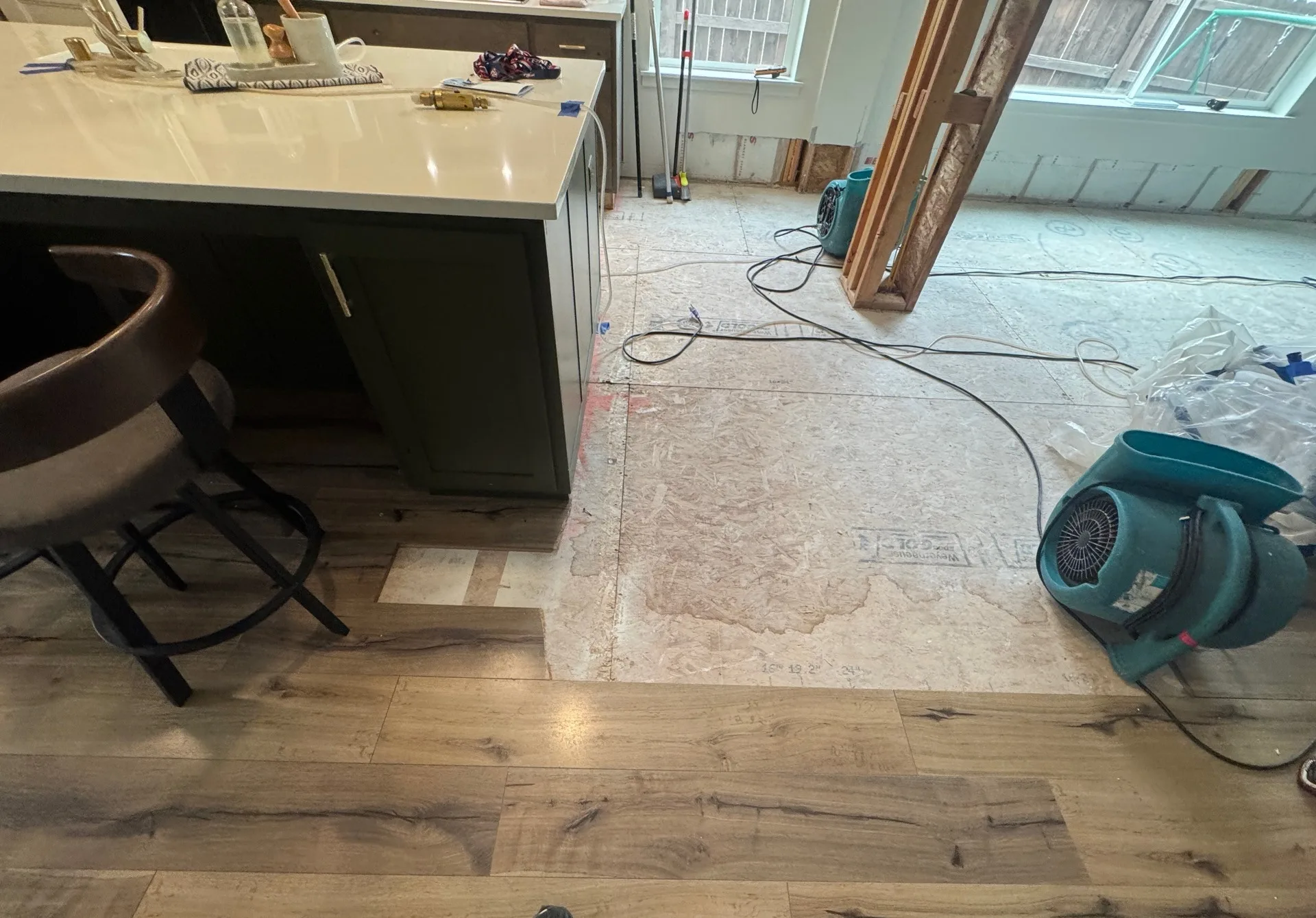
Typical water damage restoration scenario in Hazel Dell: Hazel Dell's mix of older post-war homes along the Highway 99 corridor and newer finished-basement construction farther from it produces two distinct water-damage patterns: aging supply lines in 1950s–70s homes that fail during cold snaps, and sump-pump failures in newer finished basements during sustained winter rain. Lower-lying lots near the Burnt Bridge Creek drainage corridor add seasonal crawl space moisture driven by grade and groundwater rather than a pipe failure.