
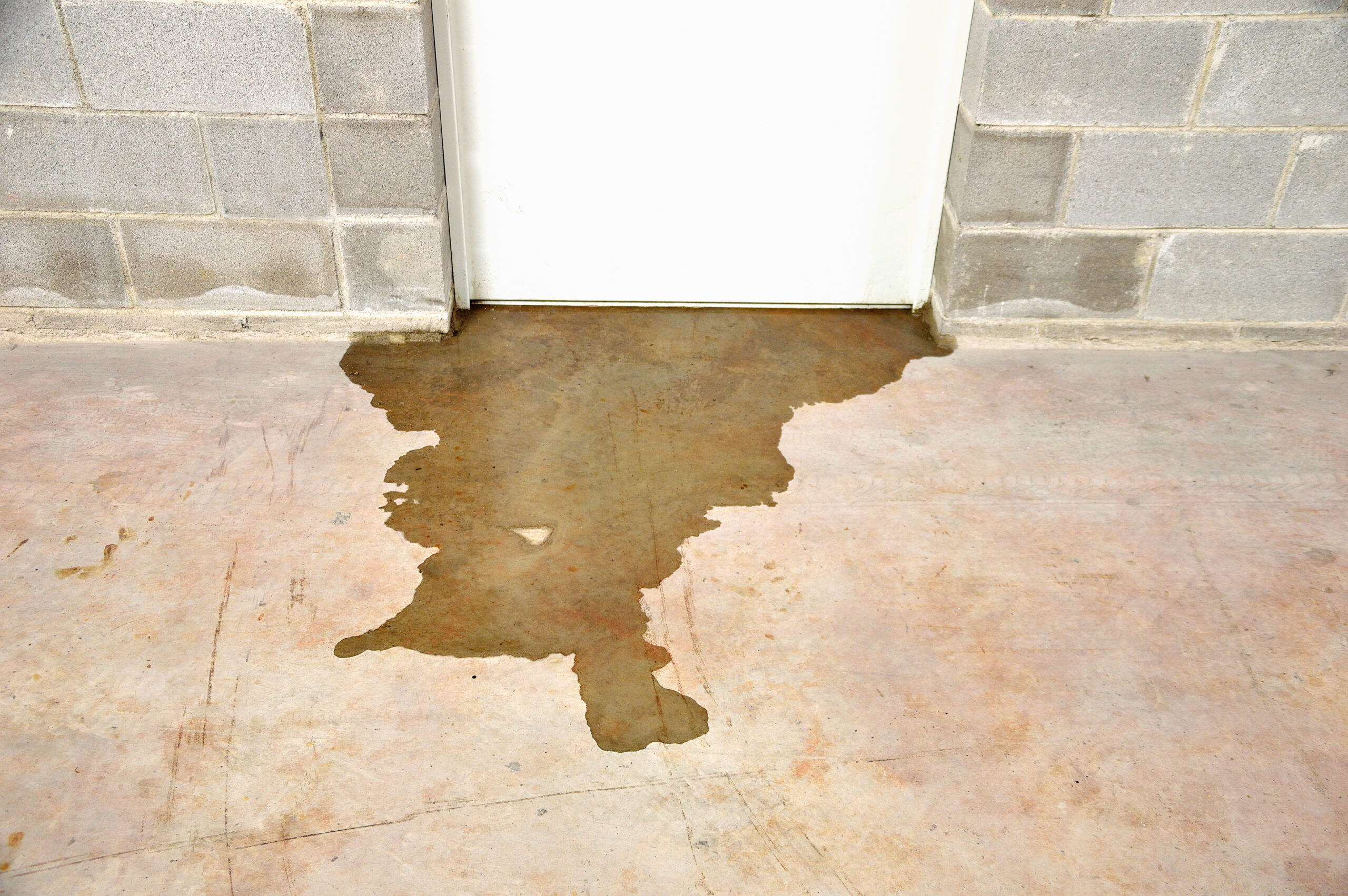
Water damage can happen fast. A burst pipe, overflowing appliance, leaking roof, backed-up drain, or unexpected flood can leave homeowners staring at soaked flooring, damaged drywall, and standing water without knowing what to do next.
At TIK Construction, we know how overwhelming those first few hours can feel. The good news is that taking the right steps quickly can help limit the damage, reduce the risk of mold growth, and make the restoration process much easier.
If you’re dealing with water damage in your home, here’s what we recommend doing next.
1. Make Sure the Area Is Safe
Before worrying about cleanup, your first priority should always be safety.
If water is near electrical outlets, appliances, wiring, or your electrical panel, avoid entering the affected area until it has been determined that it is safe. Depending on the source and severity of the damage, you may also need to shut off electricity to that part of the home. You should also consider the source of the water.
Water from a clean plumbing line is very different from water caused by a sewer backup or outside flooding. Contaminated water may contain bacteria and other hazards that require professional cleanup procedures. If there is any uncertainty about the safety of the area, we recommend keeping people and pets away until the property can be inspected.
2. Stop the Source of the Water If Possible
The next priority is preventing additional water from entering the property.
If you’re dealing with a broken pipe, appliance leak, or plumbing failure, shutting off the home’s main water supply may help stop the damage from getting worse. With roof leaks, flooding, or storm-related water intrusion, stopping the source may not be something you can safely handle yourself. In those situations, the most important thing you can do is contact a restoration company as quickly as possible. The longer water continues entering the structure, the more materials can become affected.
3. Call a Water Damage Restoration Company Quickly
One of the biggest mistakes we see after water damage is waiting too long to begin the drying process.
Water doesn’t simply stay where you can see it. It can move underneath flooring, behind baseboards, inside wall cavities, beneath cabinets, and into insulation and other porous building materials. A room may look relatively dry on the surface while moisture is still trapped inside the structure. Our Water Damage Restoration process is designed to identify both visible and hidden moisture, remove standing water, dry affected materials, and determine what can be saved versus what needs to be removed. For situations involving significant standing water, our Emergency Water Removal services allow us to begin extraction and drying as quickly as possible.
4. Document the Damage
Before cleanup begins, take photos and videos of the affected areas if it is safe to do so.
Try to document:
- Standing water
- Damaged flooring
- Wet drywall or ceilings
- Damaged furniture or belongings
- The suspected source of the water
- Any visible structural damage
- Affected rooms and surrounding areas
Documentation can be helpful when working through an insurance claim and creates a record of what the property looked like immediately after the loss. When we respond to water damage, documentation is also an important part of our restoration process. We assess affected areas, monitor moisture levels, and document the work being completed throughout the project.
5. Don’t Assume Removing the Standing Water Is Enough
Getting rid of visible water is only the beginning. After extraction, affected materials still need to be properly dried. Water can remain trapped inside drywall, subflooring, wood framing, insulation, carpeting, and other materials long after the puddles are gone. Professional structural drying typically involves a combination of water extraction, air movement, dehumidification, moisture detection, and ongoing monitoring. At TIK Construction, we use professional drying equipment and moisture monitoring to determine when affected areas have actually dried rather than relying on how they look or feel. This is an important distinction because incomplete drying can lead to additional damage later.
6. Watch for Hidden Water Damage
Some signs of water damage are obvious. Others appear gradually over the following days.
Homeowners should keep an eye out for:
- Discoloration on walls or ceilings
- Bubbling or peeling paint
- Warped flooring
- Swollen baseboards
- Soft drywall
- Musty odors
- Increased indoor humidity
- Staining around windows or ceilings
- Visible mold growth
These symptoms can indicate that moisture has travelled beyond the area where the original leak occurred. For example, an upstairs bathroom leak may eventually show up as staining on the ceiling below. A leaking dishwasher can allow water to travel underneath kitchen flooring or cabinetry. Finding these areas early gives us a better opportunity to dry the structure before the damage becomes more extensive.
7. Don’t Ignore the Risk of Mold
Moisture and mold often go hand in hand. When building materials remain damp, conditions can become suitable for mold growth. That’s one of the reasons we place so much emphasis on proper moisture detection and structural drying after a water loss. If mold is already present, simply drying the room may not resolve the problem. OurMold Damage Restoration services address affected materials and contamination while helping identify the moisture conditions that allowed the problem to develop in the first place. You may want a professional inspection if you notice persistent musty odors, visible growth, or signs that water has been sitting unnoticed for an extended period.
8. Understand That Flood Damage Can Require a Different Approach
Not every water loss is treated the same way.
A small supply-line leak and several inches of outside floodwater present very different restoration challenges.Water entering from outdoors may carry dirt, bacteria, chemicals, and other contaminants. Materials that could potentially be dried after a clean-water leak may need to be removed when contaminated floodwater is involved. OurFlood Damage Restoration services are designed for these more significant water events, including extraction, drying, removal of affected materials, cleaning, and restoration.
If your property has been affected by flooding, avoid assuming that everything can simply be dried and reused. The source and category of the water are important factors in determining the correct restoration plan.
9. Remove Damaged Materials When Necessary
Our goal isn’t to tear out everything that got wet. Whenever possible, we want to preserve materials that can be safely dried and restored. However, some materials become too damaged or contaminated to save. Depending on the situation, this can include portions of drywall, insulation, flooring, baseboards, cabinetry, or other porous materials. Removing damaged materials also allows us to access moisture that may be trapped behind or underneath them. Once the structure has been properly dried and cleaned, the property can move into the reconstruction phase.
10. Don’t Forget About the Rebuild
Water mitigation solves the immediate moisture problem, but homeowners ultimately want their house back. That’s why restoration shouldn’t stop once the drying equipment is removed. After damaged building materials have been taken out, repairs may include replacing drywall, flooring, trim, paint, cabinetry, or other finishes. OurReconstruction Services allow us to help take a property from the initial damage through the rebuilding process rather than leaving homeowners searching for another contractor once mitigation is finished. Our goal is to get your property back to the condition it was in before the damage occurred.
What Should You Avoid Doing After Water Damage?
There are also a few things we recommend homeowners avoid. Don’t use household electrical equipment in standing water or wet areas. Don’t assume walls and floors are completely dry just because the surface feels dry. Don’t ignore musty odors or signs of hidden moisture. And when sewage or contaminated floodwater is involved, don’t attempt extensive cleanup without understanding the potential hazards. Most importantly, don’t wait several days hoping the property will dry naturally. Water can continue affecting building materials even after the initial leak has stopped.
How Long Does Water Damage Restoration Take?
There isn’t one timeline that applies to every property.
The restoration process depends on factors such as:
- How much water entered the property
- How long the materials were wet
- The source of the water
- Which building materials were affected
- Whether demolition is required
- Whether mold or contamination is present
- How extensive reconstruction needs to be
A smaller water loss may require relatively limited drying and repairs, while a major flood or burst pipe can involve extraction, several days of drying, demolition, cleaning, and reconstruction. When we inspect the property, we’ll explain what we find and outline the steps needed to restore it.
Water Damage Restoration in Vancouver, WA and Surrounding Areas
Because water damage can worsen quickly, having a restoration company nearby matters. We provide professional restoration services throughout Vancouver and surrounding communities in Washington and Oregon. If you’re located in the Vancouver area, you can learn more about the restoration services we provide on ourVancouver, WA service area page. Whether the damage started with a burst pipe, leaking appliance, roof leak, overflowing fixture, or flooding, our team can assess the property and determine the appropriate next steps.
Need Help With Water Damage? TIK Construction Is Here
Water damage is stressful enough without trying to coordinate extraction, drying, demolition, repairs, and reconstruction on your own. At TIK Construction, we help homeowners through the restoration process from the initial assessment through cleanup, drying, and repairs. If you’ve discovered water damage in your home, don’t wait for the problem to become more extensive.
Contact our team to schedule an inspection or learn more about our Water Damage Restoration services. The sooner we can identify where the water travelled and begin drying the affected areas, the better chance we have of limiting secondary damage and getting your home back to normal.